
Whether you are shopping for a blood pressure monitor, sleep monitor, or other health tracking device, the most useful features are often the simplest ones. A good monitor should be clear, dependable, and easy to use without needing a manual every time.
Accuracy comes first. Look for products that explain how readings are measured and whether they have been validated in any meaningful way. For home monitoring, consistency is often just as important as the reading itself. A device that gives repeatable results is easier to trust over time.
Comfort and fit also matter. Cuffs, sensors, and wearables all need to match the body part or routine they are designed for. If a monitor is uncomfortable, people stop using it. That is why setup and fit should be part of your decision, not an afterthought.
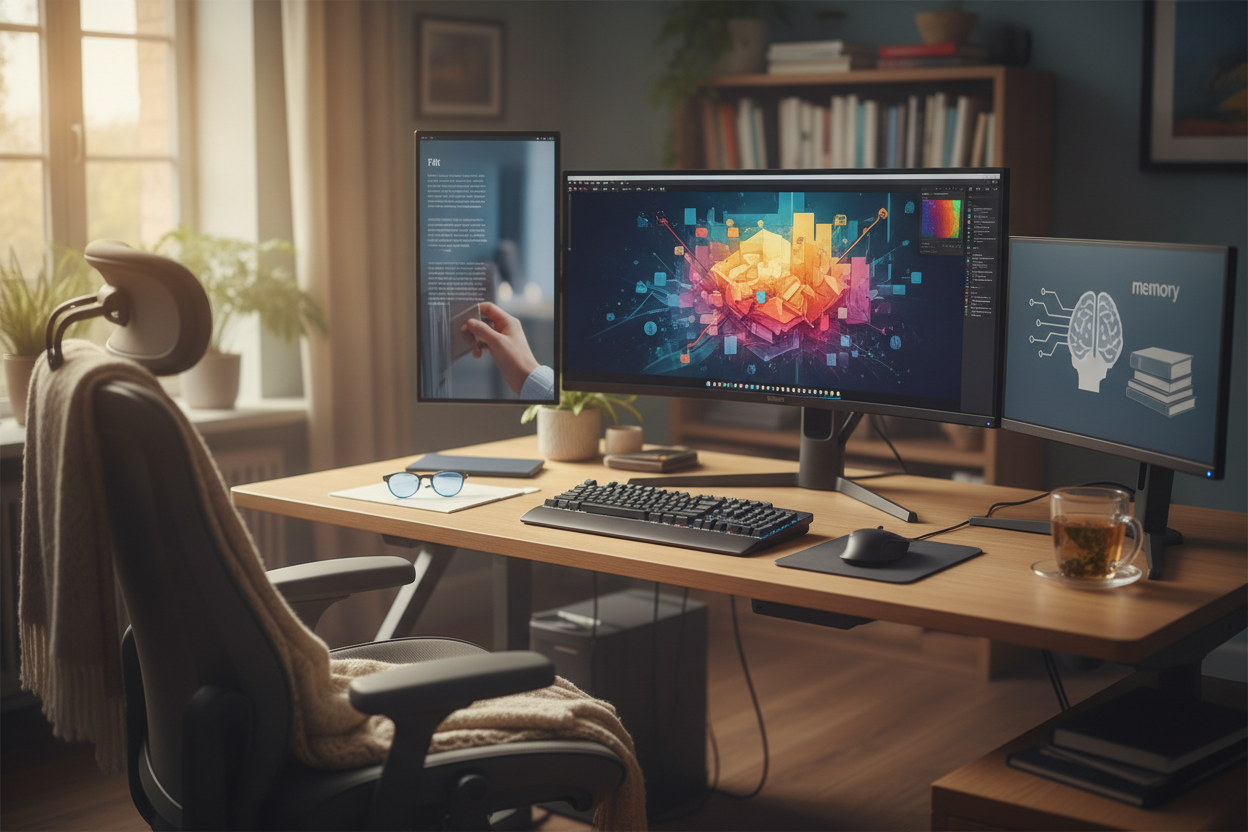
Memory and data storage can make a big difference for shared households. Some monitors keep multiple readings, while others sync with apps for easy tracking. If you plan to show results to a healthcare professional, those features can save time and make conversations more productive.
Finally, think about visibility. A bright display, large numbers, and simple navigation are especially helpful for older adults or anyone who wants a quick reading. The right monitor should reduce stress, not add to it, and that is what makes a well-chosen device worth the investment.
Leave a Reply