
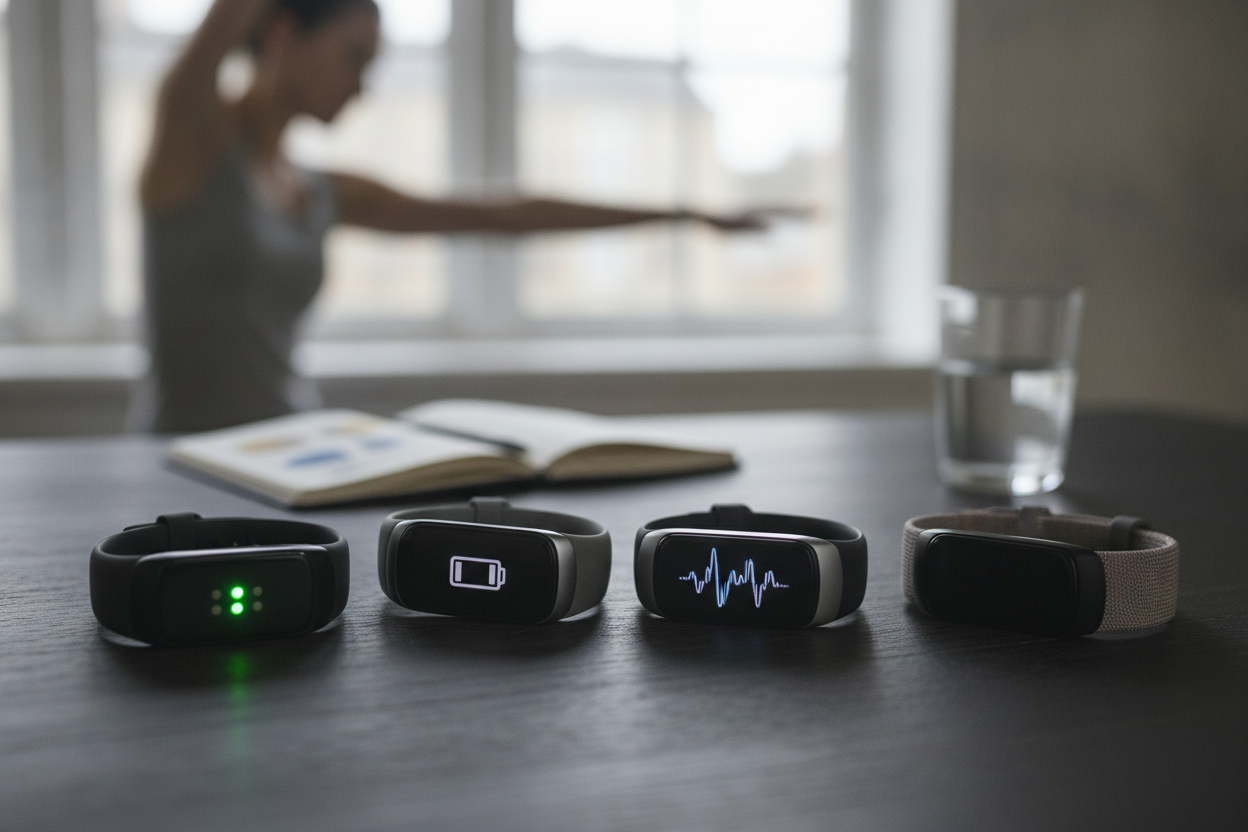
Fitness trackers have moved far beyond step counts. Today’s best models help you monitor heart rate, sleep quality, workout intensity, and daily recovery, all from a lightweight band or watch. The challenge is deciding which features actually matter for your routine.
If your goal is general wellness, look for strong battery life, comfortable wear, and an interface that makes your data easy to read. If you train regularly, prioritize GPS, workout detection, and reliable heart-rate monitoring. For many users, the best tracker is the one that feels invisible during the day but gives useful feedback when you need it.
One common mistake is paying for advanced features that never get used. Stress scores, readiness metrics, and recovery summaries can be helpful, but only if they match how you already approach health and exercise. The smartest buy is usually the device that fits your habits, not the one with the longest spec sheet.
Also consider platform compatibility. Some trackers work best with a specific phone ecosystem, while others are more flexible. That can affect notifications, app quality, and long-term satisfaction. A beautiful dashboard is great, but only if it stays consistent and easy to use.
When you review options, compare charging frequency, strap comfort, water resistance, and subscription requirements. A tracker should support healthy habits, not complicate them. With the right pick, your daily movement becomes easier to understand and improve.
Leave a Reply