
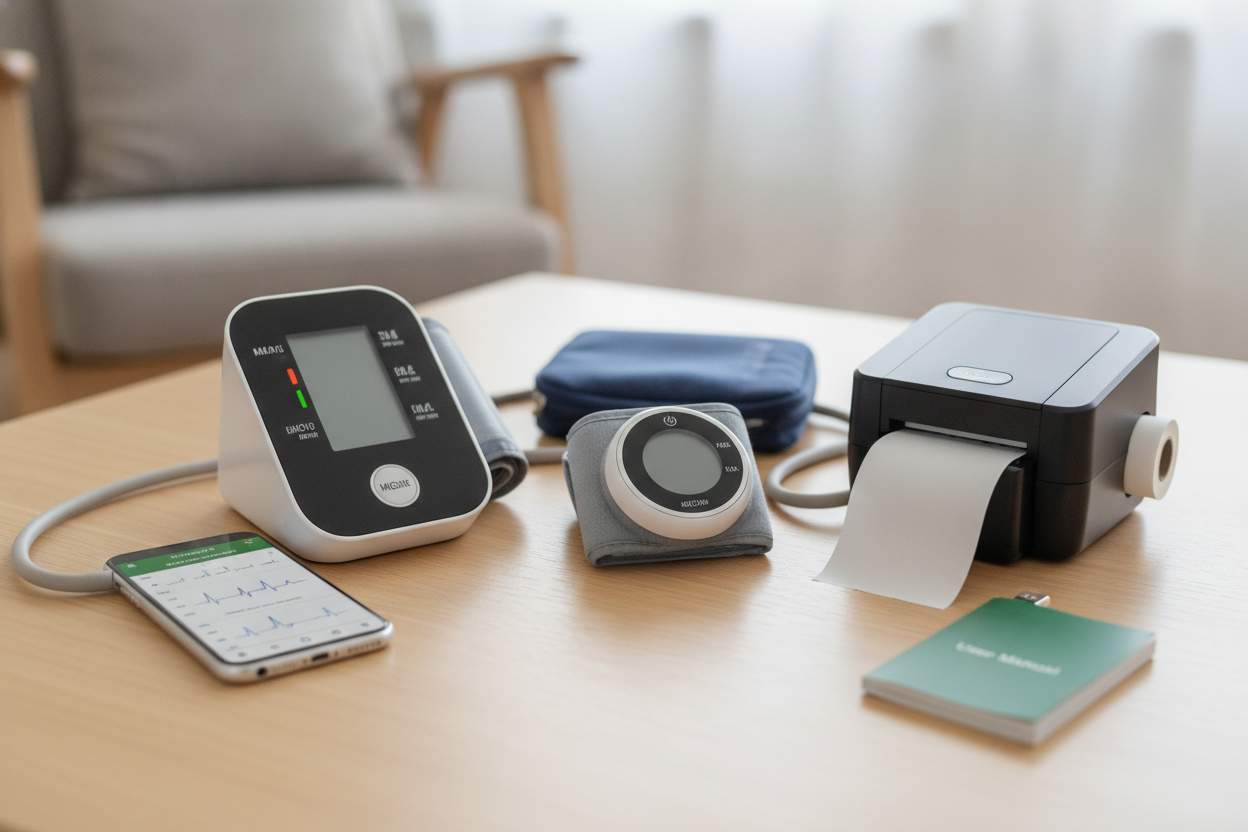
Choosing a blood pressure monitor at home can feel overwhelming, but the right model makes daily tracking simple and reliable. For most shoppers, the best option is one that balances accuracy, cuff comfort, and a display you can read without squinting. If you also want to share readings with a clinician, app connectivity is worth considering.
When comparing devices, pay close attention to cuff size and fit. A poor fit can affect results more than many people realize. Look for monitors that clearly list upper arm range, memory storage, and whether they have irregular heartbeat detection. These features do not replace medical advice, but they do add convenience and context.
Battery life matters too, especially if you plan to keep the monitor in a bedroom, office, or travel bag. Some models use standard batteries, while others include USB charging. A backlit screen and large digits can make a big difference for older adults or anyone who checks readings early in the morning.
Before buying, read multiple reviews and look for consistent feedback on ease of use. A monitor that is easy to set up is more likely to be used regularly, and regular use is what creates useful trends over time. For many households, that practical value is more important than extra features.
Our recommendation is to focus on clarity, comfort, and dependable readings first. Once those are covered, add-ons like smartphone syncing and multiple-user memory can help you get even more from the device.
Leave a Reply